 Reviews

 Proudly American
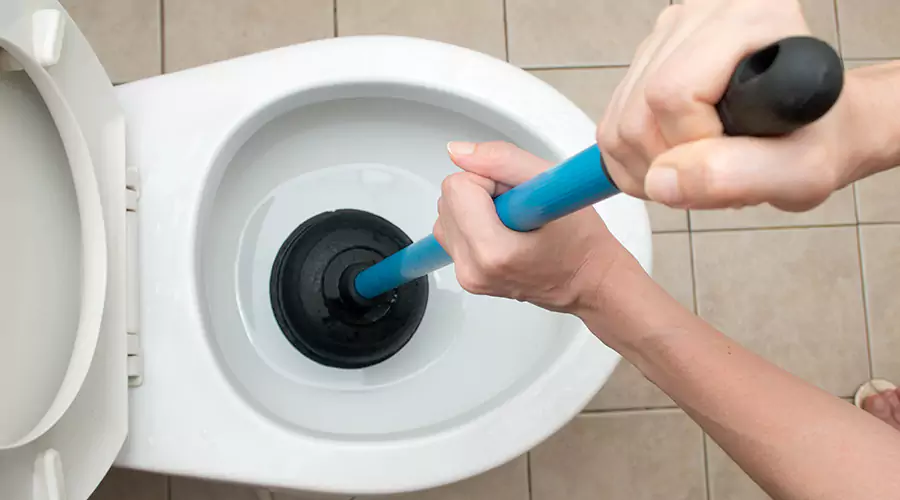
A clogged toilet is stressful, but plunging is usually the fastest fix when done the right way. The biggest mistake people make is using the wrong plunger or plunging without a tight seal. This guide shows you how to plunge a toilet properly so you can clear most clogs in minutes without making a mess.
What You Need Before You Start?
Use the right plunger
For toilets, you want a flange plunger (often called a toilet plunger). It has a rubber flap that extends out of the cup to fit the toilet drain opening, which is essential for proper toilet repair. Avoid using a flat bottom sink plunger, as it usually cannot seal well in a toilet.
Helpful items
- Rubber gloves
- Towels or paper towels
- A small bucket or cup (to remove water if bowl is too full)
- Disinfectant cleaner
Step 1: Prevent an Overflow
Before plunging, check the water level in the bowl.
- If the water is high and close to the rim, do not flush again.
- If the water is rising on its own, remove the tank lid and press the flapper down to stop water from entering the bowl.
- You can also turn off the shutoff valve behind the toilet by turning it clockwise.
If the bowl is very full, scoop some water into a bucket so you have space to plunge without spilling.
Step 2: Get the Plunger Ready
A good seal depends on the rubber being flexible.
Warm the plunger if needed
If the plunger is stiff, run hot tap water over it for 30 seconds. A softer plunger seals better.
Step 3: Make a Tight Seal in the Bowl
Place the plunger into the bowl so the flange goes into the drain opening. Tilt it slightly at first to let air escape, then press down so it seals.
Key point: You want water inside the cup. Plunging works by pushing water pressure through the clog.
If there is not enough water to cover the plunger rim, add a little water to the bowl.
Step 4: Plunge the Right Way
Plunging is not about speed. It is about controlled pressure changes.
The correct plunging technique
- Start with a gentle push to avoid splashing.
- Then plunge firmly with steady strokes, keeping the seal tight.
- Do 15 to 20 strong plunges.
- Pull the plunger up at the end to break suction and see if water drains.
If the water level drops quickly, you are close to clearing the clog.
Repeat if needed
If it improves but does not fully clear, do another round of 10 to 15 plunges.
Most clogs clear within 2 to 3 rounds if you are sealing correctly.
Step 5: Test With a Controlled Flush
Once water drains normally, flush once to confirm.
- If you turned off the water at the shutoff valve, turn it back on slowly before flushing.
- If you are not sure the clog is gone
- Use this safer test:
- Pour a bucket of water into the bowl from waist height.
- If it drains quickly, the clog is likely cleared.
What If Plunging Does Not Work?
If plunging fails after several good attempts, the clog may be deeper or more solid.
Next steps
- Try a toilet auger (toilet snake), which is designed for toilets
- If you suspect a hard object is stuck, avoid repeated flushing and use an auger
- If multiple drains are backing up, it may be a main line issue
Common Mistakes to Avoid
- Using a sink plunger instead of a flange plunger
- Breaking the seal during plunging strokes
- Plunging with too little water in the bowl
- Flushing repeatedly when the bowl is already high
- Using chemical drain cleaners, which can be risky if the clog remains
When to Call a Plumber?
Call a plumber if:
- The toilet still will not clear after plunging and using an auger
- Water backs up in other fixtures (tub or shower) when you flush
- You notice sewage odors or gurgling drains
- The toilet clogs repeatedly despite proper use
FAQ
How long should you plunge a toilet?
Most clogs clear in 1 to 3 minutes of proper plunging. If you have done several rounds with a good seal and it still will not clear, switch to an auger.
Why does my toilet clog again and again?
Repeat clogs can come from flushing items that should not be flushed, low flow toilets with buildup, or a partial blockage deeper in the drain line.
Can I plunge a toilet that is completely full?
Yes, but remove some water first to prevent overflow and make room for plunging.
Final Takeaway
To plunge a toilet the right way, use a flange plunger, prevent overflow first, seal the plunger tightly over the drain, and plunge with steady pressure strokes. Test with a controlled flush once the water drops. If plunging does not work, a toilet auger is usually the next best tool, and persistent problems may require professional help.